

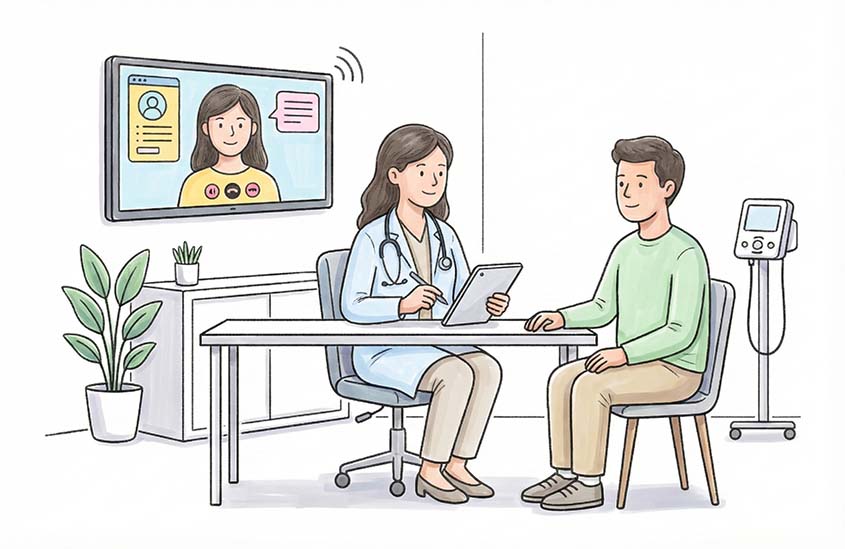
Confidant integrates evidence-based behavioral health directly into primary care to improve outcomes, reduce avoidable utilization, and support performance under value-based and downside-risk arrangements.
Organizations accountable for total cost of care and downside risk
Independent and multi-site practices managing downside risk through capitation, shared savings, or value-based contracts.
Operational platforms supporting risk-bearing primary care with centralized workflows, reporting, and care model integration.
Provider organizations participating in shared savings or downside-risk models that require integrated, outcomes-driven care delivery.
Physician organizations operating under delegated risk with flexible contracting, billing, and performance accountability.
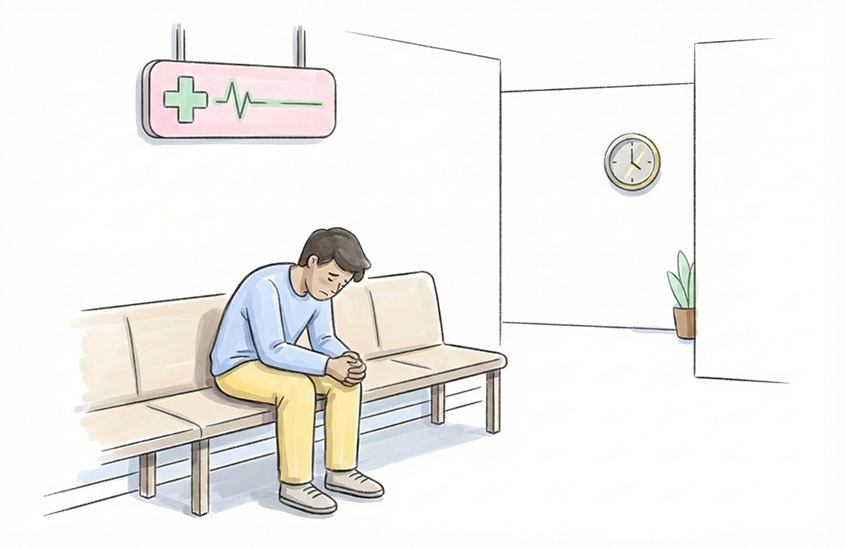
Depression and anxiety are frequently under-identified and inconsistently managed in primary care, contributing to higher emergency utilization, inpatient admissions, and medical cost variation. Without integrated measurement and intervention, risk-bearing organizations struggle to reduce variation across sites, panels, and providers.
Behavioral health conditions that go under-treated in primary care
Referral-based models that fail to drive sustained engagement
Limited visibility into outcomes, utilization trends, and progress over time

Confidant integrates evidence-based collaborative care directly into primary care workflows. Rather than operating as a referral network or therapy marketplace, we function as an embedded clinical partner. We use measurement-driven care to improve outcomes, reduce utilization, and support performance under downside risk.
Validated screening tools are embedded into primary care workflows to consistently identify depression and anxiety across the patient panel. This creates a reliable intake signal for intervention without adding burden or guesswork.
Embedded behavioral health clinicians collaborate with primary care teams as part of a shared care plan. Mental health treatment and chronic disease management are coordinated in parallel, rather than managed through fragmented referrals.
A centralized registry tracks clinical progress, engagement, and treatment response over time. Teams use this data to adjust care, monitor outcomes, and maintain accountability across providers and sites.
Confidant deploys clearly defined clinical roles, registry-driven operations, and EMR-aligned workflows that integrate into your existing care model. Teams maintain control while gaining embedded behavioral health capacity without operational disruption.
Defined behavioral health roles with clear clinical accountability
EMR-aligned documentation, data flow, and registry integration
Flexible billing and contracting aligned to your risk structure

Track utilization, quality performance, engagement, and clinical progress through registry-driven reporting integrated into your operations.
Monitor emergency department visits and inpatient admissions for the engaged population, with transparency into utilization patterns over time.
Track screening, follow-up, and adherence-related measures influenced by behavioral health integration—aligned to your value-based priorities.
Measure engagement, follow-up cadence, and continuity indicators that reflect sustained participation in evidence-based treatment.
Registry-based tracking provides visibility into progress and treatment response, supporting consistent care delivery across sites and teams.

Integrated measurement and intervention support utilization management and performance consistency across panels, sites, and providers.
Confidant follows a stepwise onboarding process designed for risk-bearing organizations. Dedicated integration and provider enablement teams ensure workflows, measurement, and staffing are configured correctly.


Confidant supports flexible contracting and billing approaches that align with capitated, shared savings, and full-risk arrangements. Commercial terms are designed to integrate cleanly with your existing financial model and performance incentives.
Start a structured conversation about embedding measurement-based behavioral health into your primary care model.